Democrat Adam Hamilton defeated Republican Sen. Roger Marshall on Tuesday, Nov. 3, becoming the first Democrat elected to the U.S. Senate from Kansas since 1932.
The Associated Press and CBS News projected Hamilton the winner at 10:25 p.m., KCTV5 reported. CNN made its projection at 10:16 p.m., according to KCTV5's live updates.
Unofficial statewide results
Statewide unofficial totals published by the Johnson County Post showed the following results. These totals are unofficial and may shift through Nov. 6 because of a three-day grace period for mail ballots postmarked by Nov. 3, according to a press release from Secretary of State Scott Schwab.
Candidate | Party | Votes | Pct. |
|---|---|---|---|
Adam Hamilton | D | 556,414 | 50.9% |
Roger Marshall | R | 503,230 | 46.1% |
David Graham | L | 32,934 | 3.0% |
Source: Johnson County Post, publishing statewide unofficial totals from the Johnson County Election Office as of Wednesday, Nov. 4. Reporting status: The AP called the race at 10:25 p.m. Nov. 3 with approximately 90% of votes counted, according to the Kansas Reflector. Results are not certified.
Johnson County turnout
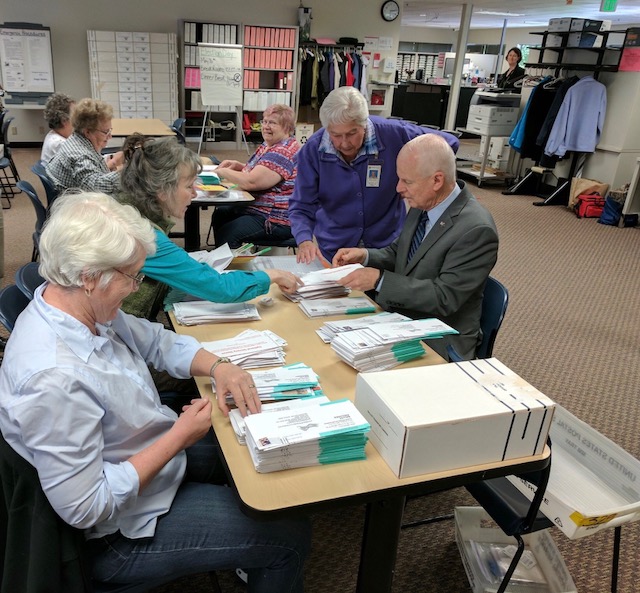
Johnson County played a central role. Initial results from the county bolstered Hamilton's fast start on election night, propelling early Democratic leads in the Senate race, the Kansas City Star reported. Turnout in Johnson County hit 62%, with 297,292 votes cast, according to the Johnson County Post.
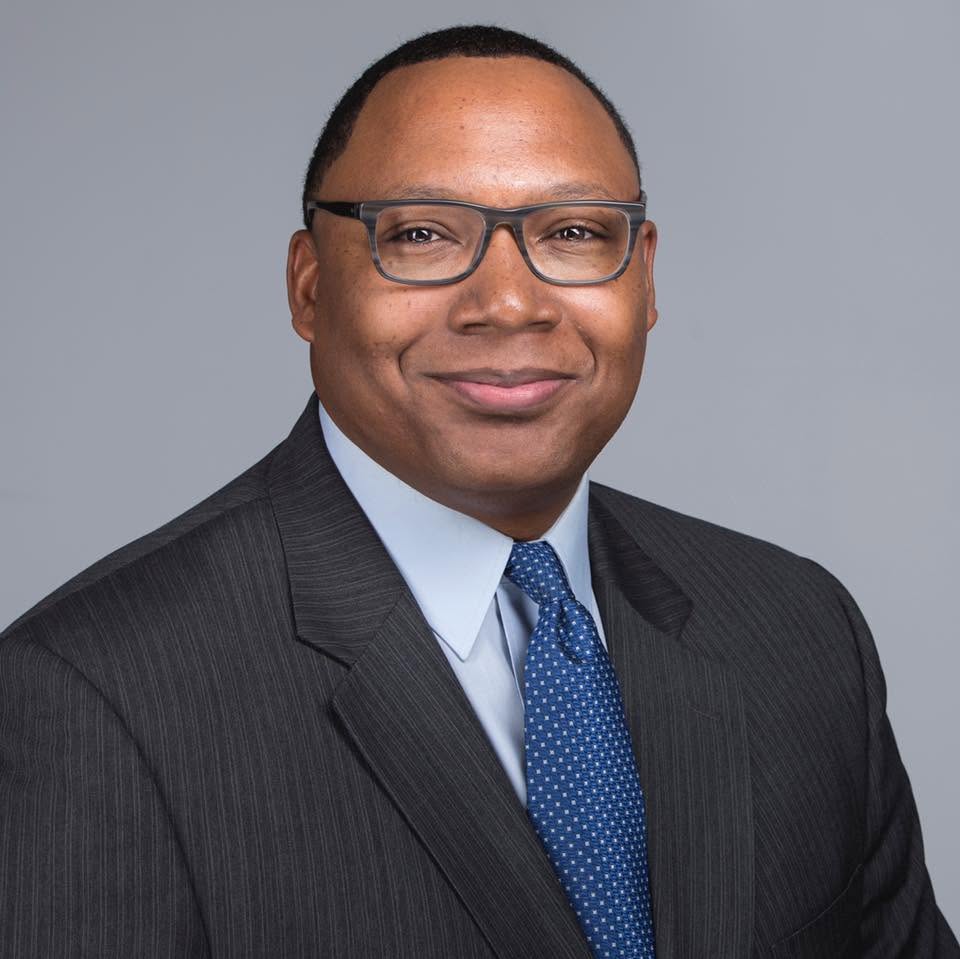
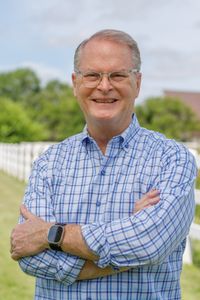
Hamilton, 62, is the founding pastor of the Church of the Resurrection in Leawood, the largest United Methodist congregation in the country. He held his election night watch party in Overland Park, where a crowd of about 1,000 people gathered at the Marriott Kansas City, the Kansas Reflector reported.
A Democrat had not finished within 10 points in a Kansas Senate race since 1974, KCTV5 reported.
The win helped Democrats flip the U.S. Senate, ending the Republican majority, KCTV5 reported. The GOP had held a 53-47 edge heading into the midterms, according to KMBC.
The race's local footprint
The campaign touched Olathe directly. Vice President JD Vance visited Webco, an Olathe metal fabrication facility, in September to campaign for Marshall, Kansas Public Radio reported. During that visit, Vance called Marshall "an incredible ally of our administration" and attacked Hamilton as too liberal, according to KDH News.
In the race's final week, Hamilton stopped in Olathe as part of a statewide bus tour, the Kansas City Star reported. Both sides spent more than $70 million as of late October, according to KSN.
How Hamilton won
Hamilton, who had never held political office, announced his candidacy in April at Prairie Village's Harmon Park after an 18-community listening tour, KCUR reported. His campaign called him an "independent-minded Democrat." He picked up endorsements from prominent Kansas Republicans, including two former governors, The Hill reported.
He said he would not support Sen. Chuck Schumer as majority leader, The Hill reported. His campaign focused on affordability, health care and what he called corruption in Washington.
Marshall, a former OB-GYN from Great Bend, faced criticism after a New York Times report detailed his record of suing former patients over unpaid medical bills, The Hill reported. He also faced a difficult political environment as public opinion soured on the war in Iran and tariff policies, The Hill reported.
Marshall conceded from the Hyatt Regency ballroom in Wichita shortly before 11 p.m., the Kansas City Star reported. He will remain in office until Hamilton is sworn in on Jan. 3, 2027.
What's next
The Johnson County canvassing board will certify local results on Friday, Nov. 13, according to the Johnson County Post. The Kansas State Board of Canvassers must certify statewide results by Dec. 1, according to Schwab's press release.