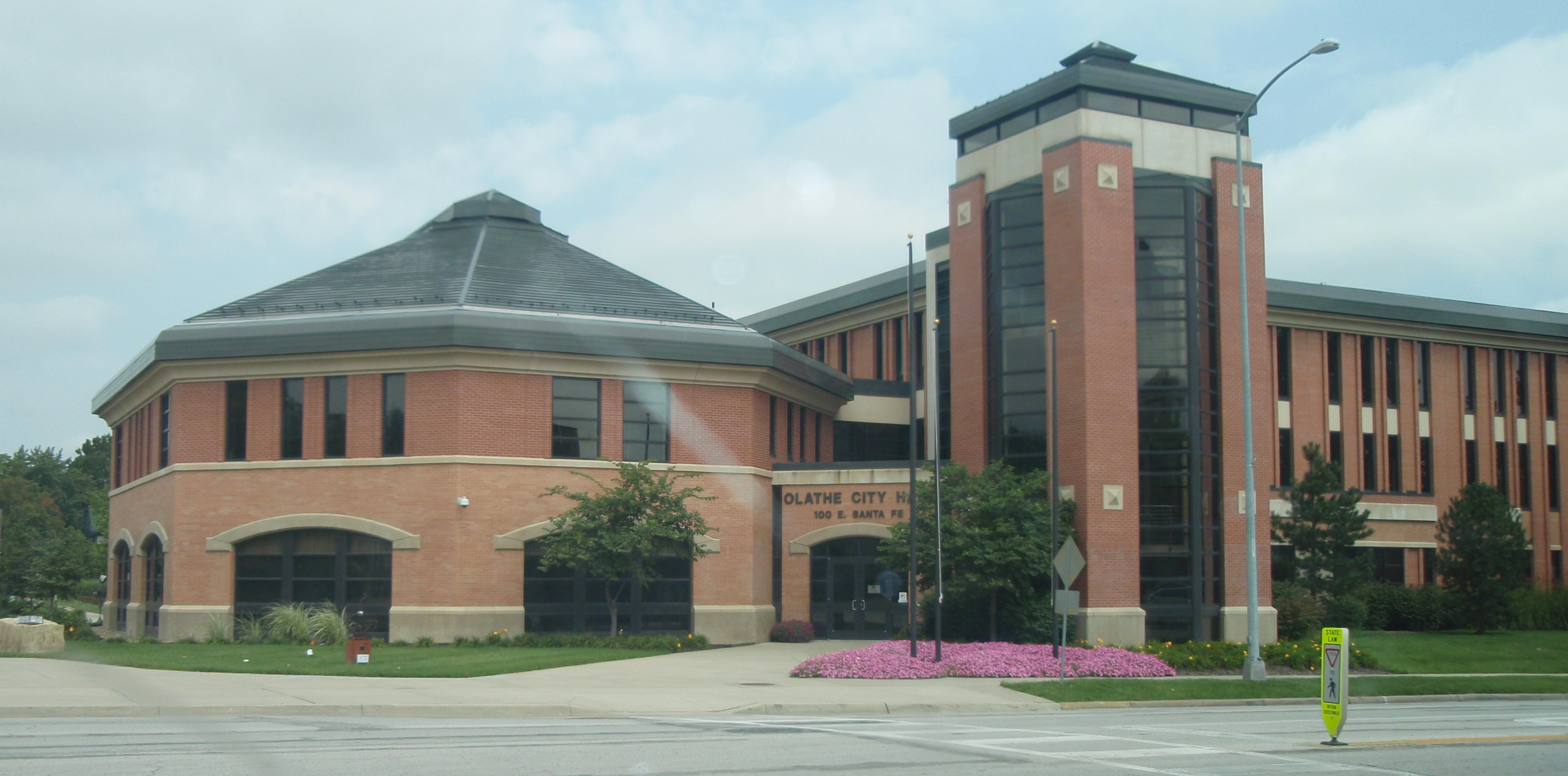
The Olathe City Council will vote Aug. 18, on whether to fold Kansas' Halo Act into the city's own Public Offense Code, a move that would let violations of the 25-foot buffer law be prosecuted in Olathe Municipal Court.
The state law already applies in Olathe. ICE agents have invoked it multiple times in June and July against bystanders filming them, according to the Johnson County Post, which reviewed at least three separate videos of such encounters.
What the law does
Senate Bill 452, signed into law after the Kansas Legislature overrode Gov. Laura Kelly's veto in April 2026, prohibits anyone from coming within 25 feet of a first responder actively performing their duties when that person's presence is either a distraction or causes the officer to fear for someone's physical safety or property. An officer must first issue a verbal warning to move back.
A violation is a Class B person misdemeanor, punishable by up to six months in jail and a $1,000 fine.
Kansas Senate President Ty Masterson, a Republican gubernatorial candidate who introduced the bill, said in April 2026 that the measure "prevents radical protesters from interfering with law enforcement and will keep our officers and bystanders safe."
ICE has already used it in Olathe
On July 11, ICE agent Jack Ravencamp was recorded on video pulling into a parking spot in front of a man filming another agent's car at an Olathe apartment complex. Ravencamp walked toward the person filming while shaking a bottle of pepper spray and said, "Twenty-five feet. Get back or I'm going to spray you."
That same day, 19-year-old Alan Marquez, a U.S. citizen, and his cousin were detained for hours at the New Century Adult Detention Center following a separate interaction with ICE agents at the same complex. A witness filming from her car was approached by an agent who said "25 feet" and gestured her away. The Olathe Police Department said it was present for crowd control, not immigration enforcement, KCUR reported.
The crowdsourced website ICEout.org recorded 17 reports of suspected ICE activity in Olathe during June and July, compared to one in April and none in May.
Why the city is adopting it now
Every summer, Olathe reviews its Public Offense Code following the Kansas legislative session to determine which state law changes should be reflected in city ordinances. A city spokesperson told the Johnson County Post that officials are unaware of the council ever rejecting a staff-recommended Title 9 revision in recent years.
The proposed Ordinance No. 26-43 would create new sections in the municipal code. An earlier draft broadly referenced "any federal law enforcement officer," but the updated version more specifically defines first responders and federal officers by referencing definitions in state and federal law.
The council originally planned to consider the revisions in July, but the item was pulled from the agenda on July 21.
Opposition
The ACLU of Kansas opposes the Halo Act, arguing it erodes the boundary between local and federal law enforcement by allowing ICE agents to use local officers to assist during immigration operations.
Kansas Press Association Executive Director Emily Bradbury opposed the bill during the legislative session, arguing existing laws already prohibit interference with law enforcement without creating a buffer zone that could impede journalists. "We believe this law is unconstitutional and will result in costly litigation and Kansas taxpayers will pay the price," Bradbury told ABC News in spring 2026.
Overland Park is also scheduled to vote this week on adding the Halo Act to its municipal code. We will follow up with the outcome of Tuesday's Olathe council vote.