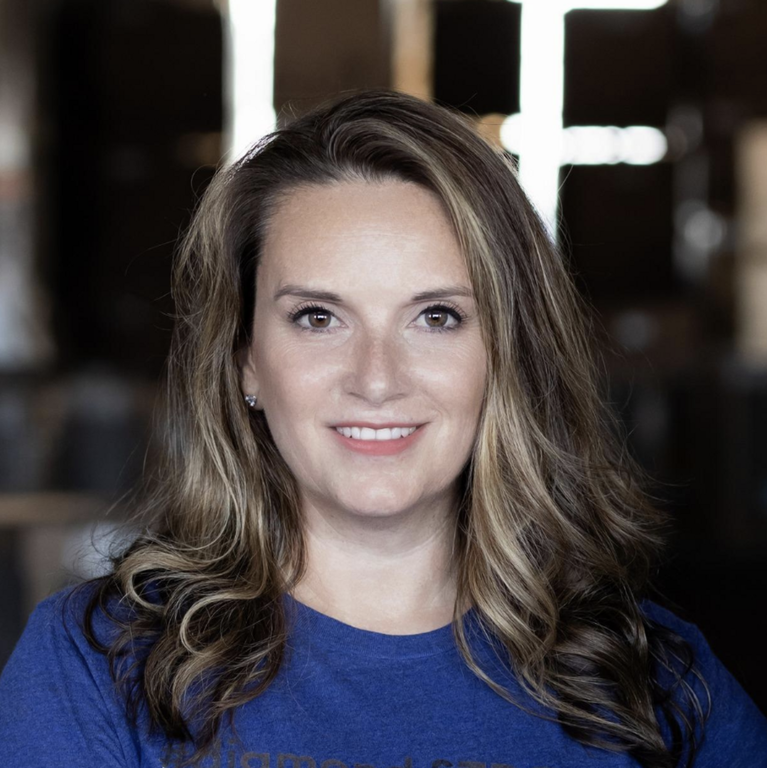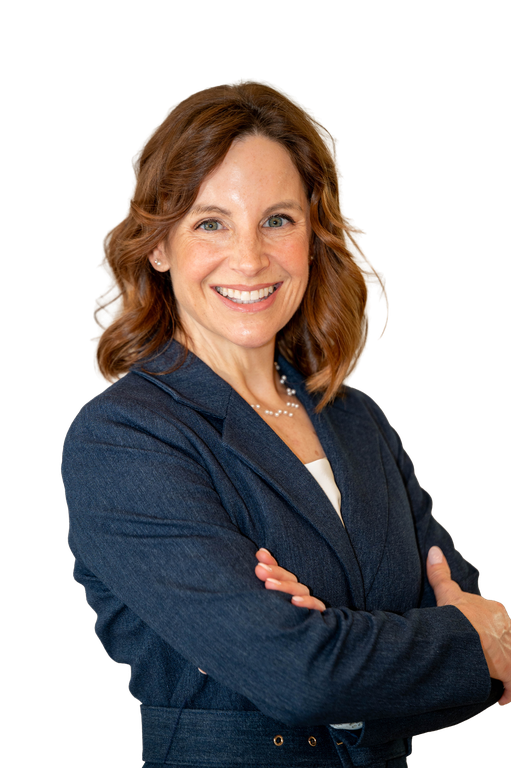
Amy Diediker, a Democrat from Olathe, is running for Kansas State Board of Education District 3 in the Nov. 3 general election. She faces Republican Jim McMullen.
Asked why she is running, Diediker said in our questionnaire, "I believe our public schools need strong advocates who will protect and strengthen public education. Public schools are the foundation of our communities and our democracy, and every Kansas child deserves access to a high-quality education."
She said she has "visited more than 20 schools across District 3" during the campaign and that her priorities include "expanding career and technical education, strengthening reading and math instruction, maintaining high expectations in our academic standards, and ensuring schools have the support they need to help every student succeed after graduation."
Candidate information
Party: Democrat
Education: Diediker said in our questionnaire, "I have my Bachelors of Music Education from Kansas State University. I have continuing education credits from Baker University and Northwest Missouri State University."
Family: Diediker said, "I've been married for 24 years. My husband Ryan, and I have three children. Our oldest is in college on an academic scholarship majoring in biochemistry. Our other two kids are in high school." She added, "Our youngest was diagnosed with a rare disease at age four, and our family has spent more than a decade navigating school with a child who has complex medical needs."
Public service: Diediker said she has "served as a precinct leader since 2018." Asked about family ties to government, she said her grandparents, Don and Ardena Matlack, served in the Kansas Legislature. Her grandfather served in the Kansas State Senate.
Experience and public service
Diediker said in our questionnaire, "I earned my degree in Music Education from Kansas State University and began my career as a middle and high school choir teacher in Abilene, Kansas. I later taught elementary music in Junction City before moving to Olathe, where I continued teaching elementary music in the De Soto School District."
Asked about accomplishments, she said, "As an educator, I helped open Prairie Ridge Elementary as its first music teacher. I began with 50 students in the 4th and 5th grade choir and grew the program to 110 students by my final year."
She also described her family's advocacy work: "I began volunteering as a summer camp counselor with the Perthes Kids Foundation, and my daughter and I later founded a Kansas City fundraiser that has grown into one of the foundation's largest fundraisers in the country."
On the issues
What sets her apart: Diediker said she believes "strong schools must focus on both academic excellence and preparing the whole child for life beyond high school." She said technology "should never replace strong, in-person instruction or great teachers, but it can enhance learning and prepare students for the world they will enter after graduation."
Teacher shortages and special education funding: Diediker said, "I will be a loud voice for fully funding special education. When districts have to pull money from their general funds to cover special education costs, that means fewer dollars are available for priorities like increasing teacher pay."
She said she wants to "examine how neighboring states approach teacher licensure, particularly in special education, and determine whether Kansas can provide more flexibility without lowering our standards for quality educators." She added, "Recruiting teachers is important, but keeping great educators in Kansas classrooms must be just as much of a priority."
Student achievement and literacy: Diediker said, "The claim that Kansas simply made state tests easier is misleading. Kansas implemented revised assessments with new items, performance-level descriptors and expectations, requiring new cut scores." She added, "I believe the Blueprint for Literacy is a strong start, but we must give these changes time to work."
Technology in schools: Diediker said, "I believe strongly in local control. The State Board should establish research-based guidelines and then trust local school boards, administrators, and educators to create plans that work best for their districts and communities. I would not support tying specific technology rules to accreditation."